
Moroccan Fossils
Moroccan Fossils South of the Atlas Mountains, Morocco holds one of the richest fossil regions in the world. Layers of ancient seabeds, desert landscapes, and limestone formations create an environment filled with paleontological treasures. Local communities quickly embraced fossil extraction, turning their skills into a thriving trade that attracts collectors, researchers, and travelers from across the globe.
Moroccan Fossils Museums Between Erfoud and Rissani
The road connecting Erfoud and Rissani is lined with private fossil museums. Each one displays trilobites, ammonites, crinoids, and polished mineral specimens collected from nearby formations. Museum owners often guide visitors to well-known fossil sites for an additional fee, offering first-hand access to Morocco’s prehistoric heritage.
Among these museums, one near Erfoud stands out for its scale and diverse collection. It offers a deeper look into Morocco’s geological past and the remarkable fossils preserved in the desert.
Moroccan Fossils: A Unique Museum Experience in Erfoud
A Different Kind of Exhibition
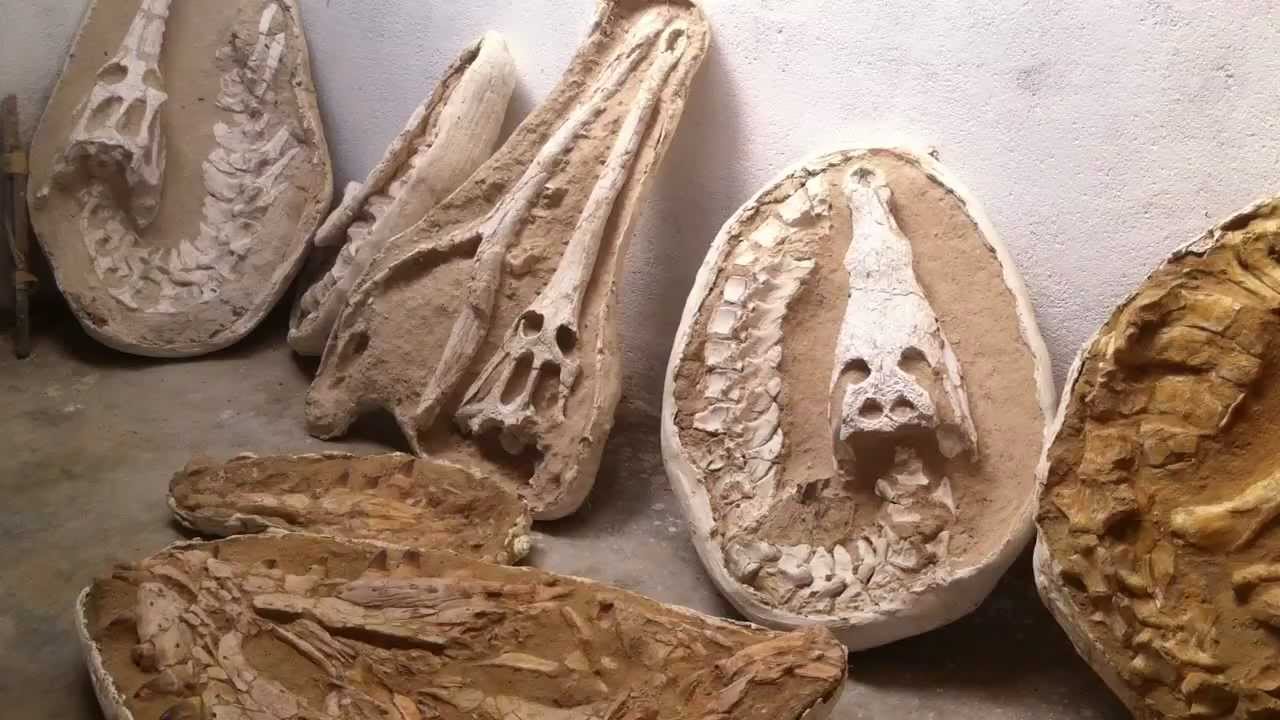
Unlike traditional European museums, Moroccan Fossils museums blur the line between exhibition hall and shop. Visitors move freely between displays and shelves filled with rare discoveries. Many pieces on the sales racks are just as impressive as those behind the main displays.
The entire collection is arranged in a single, compact hall. Instead of glass cases, long shelves present fossils by geological period. The main focus lies on the Paleozoic era, especially the Cambrian, Ordovician, Silurian, and Devonian trilobites.
Trilobites and Paleozoic Wonders
Trilobites dominate the collection, revealing their evolution through countless forms and sizes. As the Paleozoic era ended, Moroccan sedimentary layers became less fossil-rich, and the museum’s Mesozoic materials are more modest, mostly plaster casts and replicas from American discoveries.
Despite this, the Paleozoic section alone makes the museum worth a visit. Some pieces appear almost unreal in their preservation: trilobites arranged in perfect lines, spiny specimens frozen mid-movement, and creatures trapped suddenly by ancient landslides.
A Relaxed and Welcoming Atmosphere
The museum curator welcomes guests with a friendly introduction before allowing them to explore freely. Lighting is minimal, giving visitors the feeling of being inside an excavation site rather than a polished institution. This freedom lets travelers examine fossils up close and capture detailed photos using their own lighting tools.
Minerals, Souvenirs, and Open Workshops
Beyond the fossil shelves lies an extensive mineral collection, followed by racks of items for sale. Unique fossils worth thousands sit next to boxes of common pieces and crafted souvenirs. This mix gives the museum an authentic, desert workshop atmosphere.
Visitors can also step outside into a courtyard filled with stone slabs and fossil-bearing boulders. Preparators work openly with chisels and grinders, revealing hidden fossils layer by layer. Travelers can even buy freshly uncovered pieces directly from the workspace.
A Raw Yet Fascinating Museum
While some displays sit on simple shelves or even crumpled newspapers, the museum’s authenticity and access to rare specimens make it unforgettable. Without glass barriers, visitors get closer to the prehistoric world than in most traditional institutions. The result is a rare glimpse into Morocco’s fossil heritage and the passion of those who dedicate their lives to uncovering it.


