
Casablanca in Morocco
Casablanca in Morocco: Casablanca is often the first stop for many travelers heading to Morocco. While the city is famous for its business districts and modern lifestyle, it still holds an interesting mix of history, coastal scenery, and local culture worth exploring. This guide breaks down what your visit may look like, from transportation and neighborhoods to food, beaches, and daily costs.
Getting to Casablanca in Morocco
Casablanca’s international airport, Mohammed V Airport, is one of the busiest hubs in North Africa. Direct flights from several major U.S. airports make it convenient for travelers who want a smooth entry point into the country. Prices vary depending on the season, but deals can be surprisingly affordable in off-peak months.
Trains from the airport to the city center run frequently and are the easiest way to reach downtown. Stations like Casa Voyageurs and Casa Port connect to taxis, trams, and buses, giving you access to every major district.
First Impressions of the City
Casablanca is more modern and fast-paced than other Moroccan destinations. You’ll quickly notice the traffic, busy streets, and mix of architectural styles, French colonial buildings standing next to glass offices and stylish cafés.
Some areas feel very local and traditional, while others cater to expats, digital nomads, and frequent business travelers. The city doesn’t aim to be a classic tourist hotspot like Marrakech or Chefchaouen, but its raw character is part of the experience.
Where to Stay in Casablanca
Casablanca offers a broad range of accommodations. Here are some areas travelers usually prefer:
Ain Diab
A coastal district known for its beaches, nightlife, oceanfront cafés, and luxury hotels. Great for those who want to stay near the Atlantic and enjoy sunsets from the boardwalk.
Racine & Gauthier
Trendy neighborhoods filled with restaurants, boutiques, modern apartments, and safe walkable streets. These areas appeal to travelers who enjoy comfort and convenience.
Maarif
Busy, lively, and full of local shops, bakeries, and cafés. Prices for food and accommodation are generally lower here.
City Center
Close to the old medina, the tram lines, and the main train stations. Ideal for short stays.
Top Things to Do in Casablanca
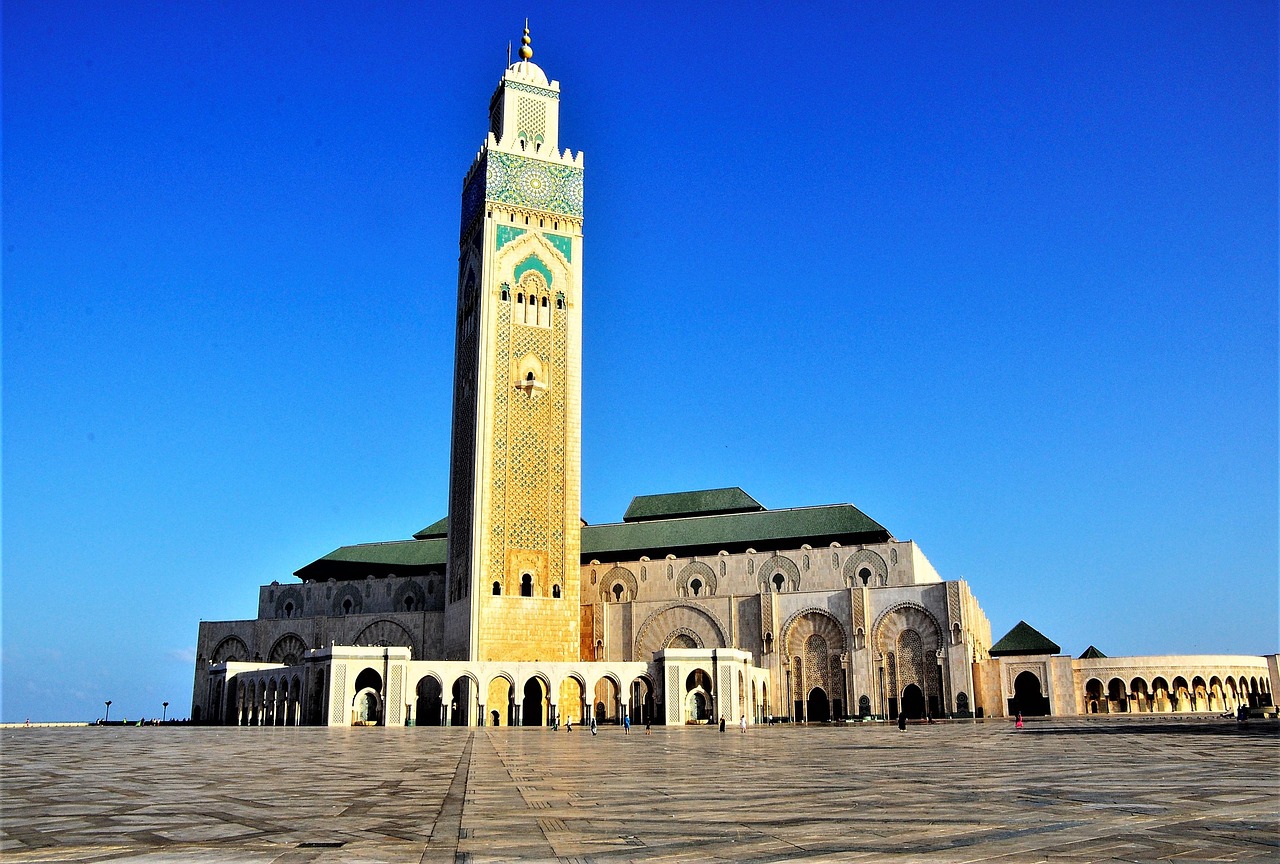
Hassan II Mosque
One of the largest mosques in the world, standing directly above the ocean. The craftsmanship is breathtaking, hand-carved stone, detailed mosaics, and massive marble halls. Guided tours are available in several languages and are worth joining.
La Corniche
A long scenic promenade along the coast where locals jog, stroll, and enjoy ocean views. The area is lined with restaurants offering seafood, pastries, and coffee with a view.
Old Medina
Though smaller than the medinas in Fes or Marrakech, it offers narrow streets, local stalls, and a glimpse of traditional urban life. It’s good for a short walk or souvenir browsing.
Morocco Mall
North Africa’s largest shopping mall, complete with international brands, a large aquarium, and dining options.
Mahkama du Pacha
An architectural gem showcasing beautiful Moroccan craftsmanship. Entry sometimes requires permission, so visiting with a guide can be helpful.
Beaches Near Casablanca
Casablanca’s beaches are lively gathering spots. Here are a few options:
- Ain Diab Beach: The most popular, full of cafés and clubs. Great for people-watching and evening walks.
- Tamaris: Slightly outside the city with cleaner stretches of sand, perfect for families.
- Bouznika: Between Casablanca and Rabat, known for great waves and a relaxed atmosphere.
Food and Local Cuisine
Casablanca serves everything from street food to upscale dining. Traditional dishes like tagine, pastilla, and couscous are easy to find anywhere. Popular picks include:
- Grilled seafood by the coast
- Fresh pastries for breakfast
- Mint tea is served in almost every café
- Moroccan salads are packed with herbs and olive oil
- The city also has strong international food options, making it easy for travelers with specific preferences.
- Transportation Inside Casablanca
Getting around is fairly straightforward:
- Tram: Clean, cheap, and reliable.
- Petit taxis: Blue taxis for short city rides, meters should always be used.
- Trains: Ideal for trips to Rabat, Marrakech, Fes, or Tangier.
- Ride-hailing apps: Available in most neighborhoods.
Costs and Budgeting
Casablanca can be affordable or expensive depending on where you stay and eat. Local bakeries, cafés, and street food stalls offer good meals at low prices, while high-end restaurants and lounges in Ain Diab can cost significantly more.
Is Casablanca Worth Visiting?
Casablanca may not have the polished charm of Marrakech or the blue beauty of Chefchaouen, but it delivers something different, a blend of modern life, real urban energy, and authentic Moroccan culture. It’s a place where travelers can experience contemporary Morocco rather than a traditional tourist-focused version of the country.
If you’re spending a few days before heading to cities like Rabat, Fes, or Marrakech, Casablanca provides a great introduction to the country’s rhythm.

