

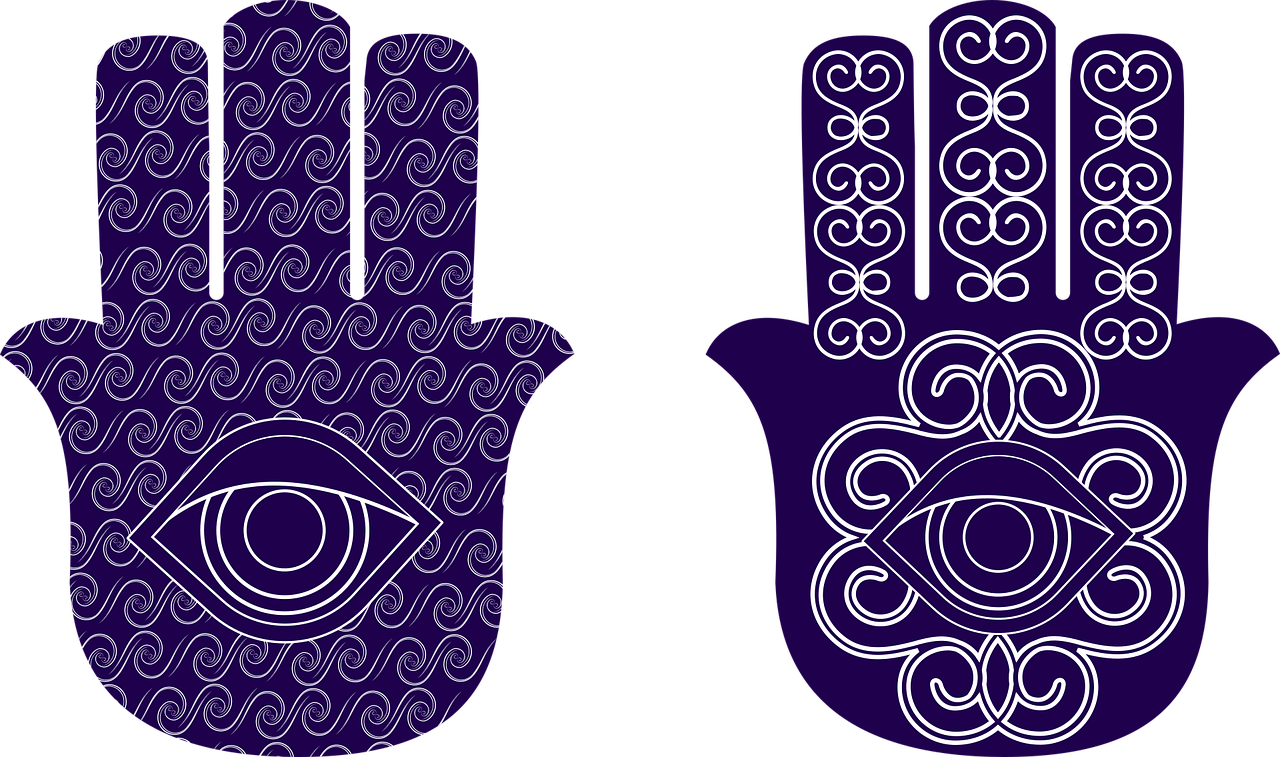
Hand of Fatima
Introduction to the Hand of Fatima
The Hand of Fatima, also called the Hamsa, the Hand of Miriam, or the Hand of Hamesh, is one of the oldest and most widely recognized protective symbols in the Eastern and Mediterranean worlds. For centuries, this open-palm emblem has been worn to ward off the evil eye, bring inner peace, and invite good fortune. Although its shape is simple, its history is deep, crossing cultures, faiths, and generations.
Origins and History of the Hand of Fatima
A Symbol Older Than Empires
The Hamsa has been used since ancient times, long before Islam or Judaism took root. Civilizations across North Africa and the Middle East believed in the existence of the evil eye, and the open palm was seen as the strongest shield against negative forces.
Why It Is Called the Hand of Fatima
In Islamic tradition, the symbol is linked to Fatima Zahra, the daughter of the Prophet Muhammad. A well-known story describes how Fatima endured emotional pain with remarkable strength when her husband took a second wife. According to legend, her patience and self-control turned the open palm into a sign of resilience, hope, and inner power. From that moment, the symbol became tied to endurance and protection.
Meaning of the Hand of Fatima in Different Religions
In Islam
The five fingers represent:
- The five pillars of Islam
- Family unity
- Patience and protection
The Hamsa is widely used in homes and jewelry to guard against envy and misfortune.
In Judaism
Jewish communities call the symbol the Hand of Miriam, sister of Moses and Aaron.
The number five also refers to the five books of the Torah. The open eye often placed at the center symbolizes the “Eye of God,” watching over and protecting the wearer.
In Christianity
Some Orthodox depictions show a hand emerging from the clouds, known as the “Hand of God.” It symbolizes divine guidance and protection, especially for travelers. Although the symbol was once discouraged by some Christian authorities, many believers continue to use it as a reminder of God’s protection.
What the Hand of Fatima Looks Like
The classic Hamsa shows:
- An open palm
- Three central fingers close together
- Two symmetrical outer fingers (thumb and pinky)
Though stylized, the design represents balance, harmony, and the awakening of intuition. The symmetry of the hand symbolizes the alignment between the inner self and the outside world.
Elements Commonly Added to the Hamsa
Symbols and Motifs
Different cultures add their own sacred signs to increase the hand’s power:
- Open eye – reflects negativity to its source
- Crescent moon and star – common in Islamic designs
- Six-pointed star – frequent in Jewish designs
- Ancient inscriptions – protective phrases or prayers
Colors and Materials
Blue is the most traditional color, as it has long been associated with protection.
Many Hamsa charms also include gemstones such as:
- Lapis lazuli
- Turquoise
- Onyx
These stones are believed to strengthen the protective energy of the amulet.
Symbolism and Deeper Meanings
At its core, the Hand of Fatima represents:
- Patience
- Strength of spirit
- Guidance
- Protection against harm
- Harmony in the home
- Prosperity and clarity of direction
The five fingers are often said to represent the five senses, and the open palm symbolizes the awakening of intuition, the “sixth sense.”
Meaning for Women
In many cultures, the Hamsa is viewed as a feminine symbol.
Women use it to attract:
- Family harmony
- Marital peace
- Fertility and safe childbirth
- Emotional stability
- Protection from jealousy
Unmarried women often wear the symbol hoping to attract a trustworthy partner, while married women use it to strengthen love within the home.
Meaning for Men
For men, the Hamsa symbolizes:
- Leadership
- Responsibility
- Protection during travel
- Success in business
- Guidance in decision-making
Many men hang the symbol in their vehicle or workspace for direction and safety.
How to Activate the Hand of Fatima
A Hamsa is most effective when it is intentionally activated.
There are two traditional methods:
Method 1: The Four Elements
This ritual uses earth, water, fire, and air:
- Dip the charm briefly in clean water.
- Pass it through the smoke of incense or a candle flame.
- Let it touch earth or sand.
- Hold it up to the air with a spoken intention.
- During the process, visualize the charm filling with protective energy.
Method 2: Candle and Prayer
This simpler method involves:
- Holding the charm in your hands.
- Lifting it toward a lit candle.
- Reciting a prayer or intention for protection.
- Imagine light surrounding the amulet.
How to Wear the Hand of Fatima
General Guidelines
The Hamsa is typically worn:
- As a pendan
- On a bracelet (especially on the left wrist)
- As earrings or a ring
- As embroidery on clothing
- As a keychain
- As a tattoo
Skin contact is believed to strengthen its protective effect.
Left vs. Right
- Left side: emotional balance, protection from envy, inner peace
- Right side: guidance, strength, success, motivation
Using the Hamsa at Home
Many families hang the Hand of Fatima:
- Above the front door
- In the living room
- Inside the car
- As wall art or textile decor
It is believed to repel jealousy, prevent conflicts, and bring serenity to the household.
Hamsa Tattoos and Their Meaning
A tattoo of the Hand of Fatima is usually placed:
- Between the shoulder blades
- On the wrist
- On the neck
- On the forearm
The back placement is especially meaningful, as it symbolizes protection from “attacks from behind.”
Finger Direction: Up or Down
Both positions have protective qualities:
Fingers Up
- Deflects negative energy
- Represents strength and divine protection
Fingers Down
- Attracts blessings
- Encourages fertility, love, and abundance

