

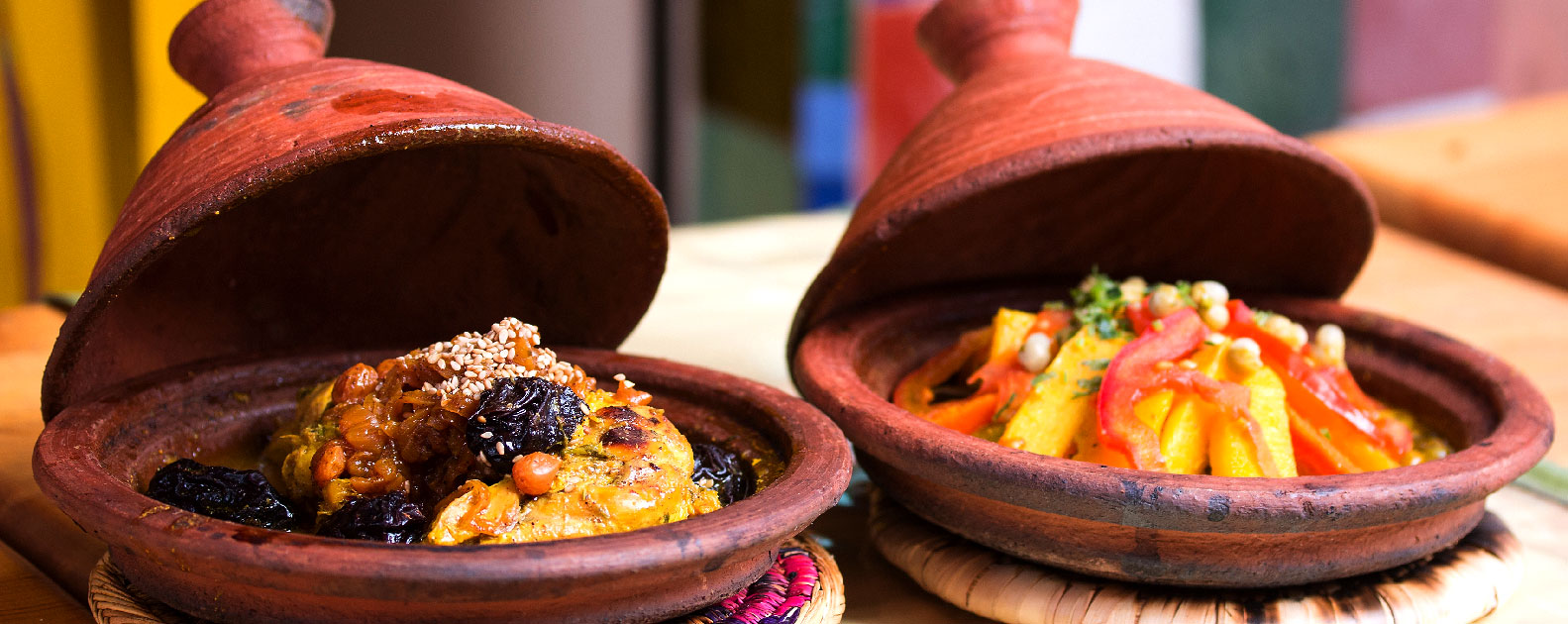
Matbukha in Morocco
Matbukha in Morocco is one of the most beloved dishes in Moroccan and North African home cooking. This slow-cooked blend of tomatoes, peppers, garlic, and spices has been prepared for generations and remains a cornerstone of both Moroccan and Jewish-Moroccan cuisine.
Thick, vibrant, and deeply aromatic, matbukha is used as a dip, spread, side dish, or base for other recipes. Its flavor profile balances sweetness from ripe tomatoes, smokiness from roasted peppers, and heat from chili, resulting in a sauce that is simple in ingredients yet rich in personality.
Today, matbukha is common across North Africa, the Mediterranean, and the Middle East, especially in Israel, where it has become a staple of home kitchens and family gatherings.
What Is Matbukha in Morocco?
Matbukha is a slow-stewed vegetable mixture prepared with ripe tomatoes, sweet peppers, chili, garlic, and olive oil. Its texture is thick and chunky; its color ranges from deep red to orange depending on the peppers used. Traditionally, the sauce cooks for several hours over a low flame until it reduces into a dense, glossy mixture.
The word matbukha comes from the Arabic root tabakha, meaning “to cook.” In many Moroccan Jewish families, matbukha is served as part of the Friday night table alongside challah, salads, and fish dishes.
Ingredients Used in Traditional Matbukha in Morocco
While every household has its own version, most recipes include:
- Sweet red peppers
- Ripe tomatoes
- Chili peppers
- Garlic
- Paprika
- Olive or sunflower oil
- Salt
- A touch of sugar to balance acidity
Optional additions include cumin (zira), coriander, or tomato paste for extra richness.
How is Matbukha Traditionally Prepared in Morocco?
Each region, and often each family, prepares matbukha differently. Here are the main methods found in Moroccan homes:
Classic Homestyle Matbukha (Uniform Texture)
Bell peppers are roasted and blended with tomatoes until smooth. Garlic and chili peppers are sautéed separately and added to the pot. The mixture cooks slowly until thick, then seasoned with paprika, salt, and sugar. This version is common as a spread for bread.
Chunky and Spicy Matbukha (Stew-Style)
Tomatoes are peeled and diced, combined with chopped chili and garlic, then simmered for over an hour. Large cubes of peppers are added later, along with tomato paste and olive oil. This version keeps the vegetables visible and full-bodied.
Matbukha with Onions
A bolder version made with golden-fried onions, peppers, tomatoes, garlic, and paprika. After stewing, the mixture is blended lightly but kept somewhat chunky. Served cold with bread or meat.
Matbukha with Chicken Broth
Roasted peppers, tomatoes, garlic, and spices simmer until thick. A small amount of broth is added at the end to deepen the flavor. This variation is popular in winter and often paired with grilled meats.
Matbukha for Winter Storage
Prepared similarly to the onion version but in larger batches. After cooking and pureeing, the sauce is returned to the pot, boiled again, and preserved in sterilized jars with a layer of oil on top. This allows long-term storage through the winter months.
Modern Production of Matbukha in Morocco
In recent years, small Moroccan and Israeli producers have begun packaging matbukha commercially.
These factories use washing systems, vegetable cutters, steam kettles, vacuum cookers, and filling machines. The final product is packaged in glass jars or food-grade plastic containers, typically 250–300 ml.
Outside Israel and Morocco, matbukha is harder to find in mainstream supermarkets, but it is often available through specialty shops and online markets.
Another Beloved Moroccan Dish: Hacelim (Eggplant Pâté)
Many Moroccan Jewish families prepare hacelim, a smoky eggplant spread served alongside matbukha. Eggplants are roasted over a flame until charred, drained, and chopped by hand with garlic, salt, pepper, and a small amount of mayonnaise.
When served with warm bread, hacelim and matbukha form a classic pair in Moroccan appetizer spreads.
Nutritional Profile of Matbukha in Morocco
Depending on the amount of oil used, matbukha is relatively low in calories.
Average values per 100 g:
- 60–79 kcal
- Proteins: ~1.5 g
- Fats: 1.5–3 g
- Carbohydrates: ~10 g
- Fiber: 1–1.5 g
- Matbukha is naturally rich in:
- Vitamin C
- Lycopene
- Beta-carotene
- Potassium
- Magnesium
- Iron
The high lycopene content offers strong antioxidant benefits that remain stable even after long cooking.
Health Benefits of Matbukha in Morocco
Matbukha supports the body in many ways:
- Enhances digestion and stimulates appetite
- Provides antioxidants that help protect cells
- Supports immunity
- Promotes good blood circulation
- Helps stabilize mood and energy levels
- Contains nutrients beneficial for women’s health
- Includes ingredients known as natural aphrodisiacs
In regions with hot climates, matbukha historically helped preserve food due to its heat, acidity, and salt content.
Possible Side Effects and Contraindications
Matbukha should be consumed with caution by people with:
- Gastric ulcers
- Reflux or severe acidity
- Chronic pancreatitis
- Active mouth or stomach inflammation
- Gout or kidney stones
- Allergies to tomatoes or peppers
- Uncontrolled hypertension (due to chili content)
Popular Dishes Made With Matbukha in Morocco
Matbukha can be used in many ways:
Shakshuka
Eggs cooked directly in boiling matbukha until set.
Moroccan Beef or Veal Stew
Meat is seared, then simmered with matbukha for a rich, tender dish.
Fish Baked in Matbukha
Herring, sea bass, or mackerel is fried, placed over onions, and covered with matbukha before baking.
Sandwich Spread
Used on baguettes, flatbread, or inside pita.
Pasta Sauce Alternative
Combined with roasted eggplant or zucchini.
Cultural Notes About Matbukha in Morocco
- The dish developed in the 18th century, when tomatoes became common in North Africa.
- Jewish families brought the recipe to Israel, where it became a staple of homemade salads.
- In hot climates, matbukha’s chili and salt components helped protect food from microbial growth.
- Moroccan home cooks love matbukha for its simplicity; ingredients are chopped, cooked slowly, and left to transform naturally.

